
Where Should You Install Your EV Charger? A Yorba Linda Home Placement Guide
Garage, driveway, or exterior wall? Where you mount a home EV charger shapes the install cost, the cable reach, and your daily routine. Here is how to pick the right spot for a Yorba Linda home.
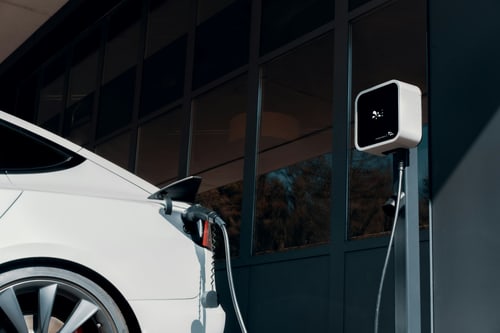
Where should you install your EV charger? For most Yorba Linda homes the answer comes down to three forces pulling against each other: how close you can get to the electrical panel, where your car's charge port sits when it is parked, and whether the unit lives indoors or faces the weather. Get the placement right and a home charger disappears into your routine. Get it wrong and you end up draping a cable across the garage floor, paying for a longer circuit run than you needed, or mounting a charger that bakes in the afternoon sun. On the city's larger lots, where a detached garage can sit a good distance from the main panel, the location you choose moves the final bill as much as the charger you buy.
- The best charger location balances three things: distance to the electrical panel, reach to your car's charge port, and shelter from the weather.
- A spot close to the panel keeps the circuit run short, and a shorter run means lighter wire and a lower install cost.
- Match the mounting point to where your charge port lands when parked, because connector cables typically run only about 18 to 25 feet.
- Outdoor installation is safe, but it requires outdoor-rated equipment and, for plug-in units, an outdoor-rated GFCI breaker.
- Most home chargers mount to a wall at roughly hip-to-chest height, clear of the garage door and away from direct sprinkler spray.
- On Yorba Linda's large lots with detached garages, a long run from the panel is the single biggest placement cost to plan around.
Where Is the Best Place to Install an EV Charger at Home?
The best place to install an EV charger is the wall nearest to both your electrical panel and the spot where your car's charge port ends up when parked, which in most homes is an interior garage wall. That one wall usually keeps the circuit run short and the connector within easy reach of the car, the two factors that most affect cost and daily convenience. The Alternative Fuels Data Center notes that residential charging equipment is frequently installed in garages, with outdoor installation also safe, so the garage is the default rather than the only option. The right answer is rarely a single perfect spot; it is the location that compromises least across panel distance, cable reach, and exposure. Walk the path the electrician will actually wire before you commit, because the cleanest-looking wall is not always the cheapest one to reach from the panel.
Garage, Driveway, or Exterior Wall: Which Location Wins?
No single location wins for every home; the right one depends on where you park and where the panel sits. Here is how the three common choices compare:
- Attached garage: the most common and usually the cheapest. The charger stays sheltered, the panel is often on a shared garage wall, and wiring runs are short. Best when you park inside.
- Exterior wall or driveway: the practical choice when you park outside or the garage is already full. It needs outdoor-rated equipment and weather protection, and it puts charging where the car actually sits.
- Detached garage: common on Yorba Linda's larger lots. It can mean a long trenched or overhead run from the main panel, the costliest layout, and it sometimes argues for a subpanel near the garage.
The deciding question is simple: where does the car spend the night, and how far is that spot from the panel?
How Far Can the Charger Be From Your Electrical Panel?
A charger can technically sit far from the panel, but every extra foot of circuit adds cost, so the practical answer is as close as the parking spot allows. The wire between the panel and the charger is sized to the breaker, and a long run can force a heavier, more expensive conductor to hold the voltage up across the distance. On Yorba Linda's large single-family lots, a detached garage or a driveway on the far side of the house can sit many tens of feet from the main panel, and that run length often moves the final bill more than the charger itself. ENERGY STAR notes that Level 2 units require professional installation and that a licensed electrician should evaluate the home's wiring first, which is exactly where the run gets measured and priced. If the panel and the parking spot are far apart, an electrician may recommend a subpanel nearer the garage, which can tie into a broader electrical panel upgrade when the service needs more capacity.
Does the Charger's Cable Reach Where Your Car Parks?
The charger has to reach your car's charge port with the cable it ships with, and those cables are shorter than people expect, so cable reach is a genuine placement constraint. A ChargePoint Home Flex, for example, ships with a 23-foot cable, and most home units fall in the 18-to-25-foot range. Where that cable needs to land depends on the car: charge ports sit in different corners by make, rear driver's side on many models, a front fender on others, rear passenger side on some, so the same mounting spot can be an easy reach for one vehicle and a stretch for another. Plan the mount for the car that will park there, and account for which way it pulls in. Tesla's Wall Connector is designed for versatile indoor or outdoor mounting, but no mount helps if the cord cannot cross the distance to the port without strain.
Can You Install an EV Charger Outside in Yorba Linda?
Yes, you can install an EV charger outdoors, and it is perfectly safe as long as the equipment is built for it. The Alternative Fuels Data Center states plainly that outdoor installation and use are safe, even in the rain, but that outdoor installations require outdoor-rated equipment. In practice that means a weatherproof enclosure: the ChargePoint Home Flex, for instance, carries a Type 3R enclosure rating and, for plug-in outdoor installs, needs an outdoor-rated GFCI breaker upstream. Southern California Edison serves Yorba Linda, and the region's dry heat and strong afternoon sun are the main outdoor stressors here rather than freeze or snow. A west-facing wall that bakes all afternoon is hard on any electronics, so a shaded or north-facing spot, or a small weather hood, extends the life of an outdoor unit, something worth planning into any Yorba Linda EV charger installation.
Not Sure Which Wall Is the Right One?
Send a photo of your garage or driveway and tell us where you park, and we will map the cleanest charger location for your Yorba Linda home -- panel distance, cable reach, and all.
Instant QuoteHow High Should the Charger Be Mounted, and What Needs Clearance?
Most home chargers mount on a wall at roughly hip-to-chest height, about 42 to 48 inches off the ground, which keeps the connector easy to grab and the cable off the floor. The exact height follows the manufacturer's instructions and the position of the car's charge port, but the goal is the same everywhere: a comfortable reach with no sharp bend in the cable where it leaves the unit. Keep the charger clear of the garage door's travel, away from direct sprinkler spray, and high enough that the cable does not puddle on a wet driveway. A tidy cable holster or hook near the unit keeps the cord off the ground between charges, which both protects the connector and keeps the walkway clear. Give the electrician room to work, too, because a charger crammed into a corner behind shelving is far harder to service later. Settling the mounting spot is part of a proper Level 2 EV charger installation, and a quick walkthrough with a local installer usually resolves it in minutes.
Frequently Asked Questions
How high should an EV charger be mounted?
Most manufacturers call for a wall-mounted height of about 42 to 48 inches, roughly hip to chest level. That keeps the connector within easy reach and prevents the cable from dragging on the floor. Always confirm the exact height against the installation manual and the position of your car's charge port.
Can I install an EV charger on an exterior wall?
Yes, exterior walls are a common and safe location as long as the charger is outdoor-rated. Look for a weatherproof enclosure such as a Type 3R rating, and if the unit plugs in rather than hardwiring, it needs an outdoor-rated GFCI breaker. A shaded spot out of the direct afternoon sun will last longer in Yorba Linda's climate.
Should the charger be near the garage door or the electrical panel?
Ideally both, but panel distance usually matters more for cost. A spot near the panel keeps the circuit run short and the wire lighter, which lowers the install price. Reach to the car's charge port is the other half of the equation, so the best wall satisfies both at once.
Does a detached garage make installation more expensive?
Often, yes. A detached garage on a large Yorba Linda lot can sit far from the main panel, and the long wire run, sometimes trenched underground or run overhead, is the main cost driver. An electrician may recommend a subpanel near the garage to shorten the heavy-gauge run and keep the job manageable.