
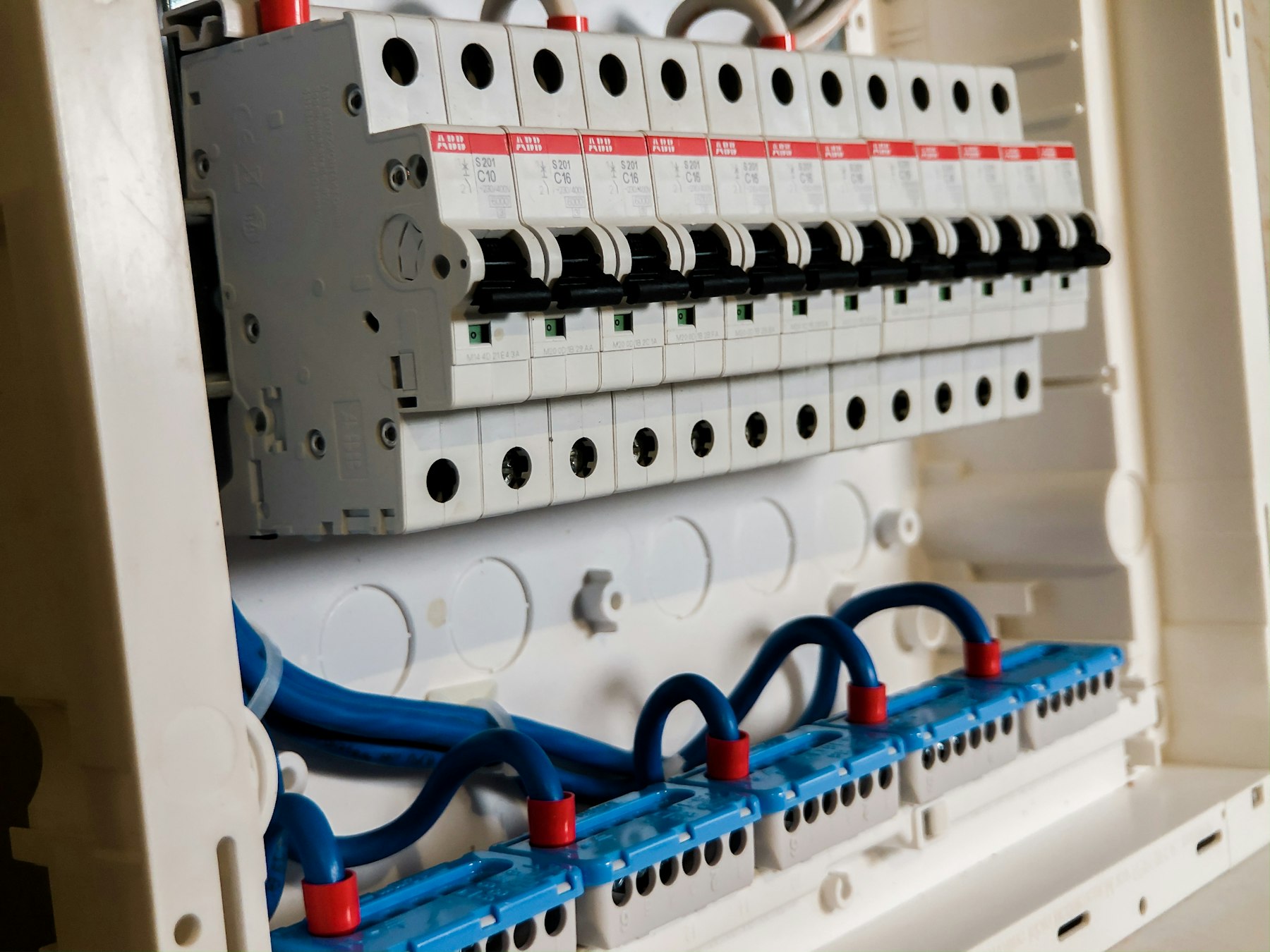
NEMA 14-50 Outlet Installation in Yorba Linda
A dedicated 240-volt receptacle for your mobile connector, installed properly the first time near Imperial Highway or anywhere in the city.
The Flexible Path to Faster Home Charging
Most EVs ship with a mobile connector that plugs into a NEMA 14-50 receptacle and pulls 32 amps, which is roughly a third of a battery overnight and enough for the majority of daily driving. NEMA 14-50 outlet installation in Yorba Linda appeals to owners who want real charging speed without buying a wall unit, who lease and expect to move, or who want to keep their options open across future vehicles. The catch is that this receptacle is routinely installed badly. A 14-50 fed by an EV is carrying a continuous load for hours at a stretch, which is very different from the intermittent draw of the RV outlets these receptacles were originally designed for. Yorba Linda EV Charger installs 14-50 circuits with industrial-grade receptacles, correct derating, and a permit, and the visit usually takes half a day. We evaluate the panel, run the circuit, install and terminate the receptacle, then load-test it with the vehicle to confirm it holds a full 32-amp session without heat rise.
- Industrial-grade receptacle, not builder-grade
- Sized to 125 percent of the charging draw
- Dedicated circuit with nothing shared
- Load-tested before we sign off
What a 14-50 Installation Covers
Everything below is included in the flat rate.
Service and panel evaluation. We confirm the panel can accommodate a 50-amp two-pole breaker and inspect the bus for existing heat damage before adding load.
Continuous-load derating. A 40-amp charging draw requires a 50-amp circuit under the continuous-load rule. We size the breaker and conductors accordingly instead of matching the plug rating alone.
Industrial-grade receptacle. We install a heavy-duty receptacle rated for repeated high-temperature cycling, not the inexpensive builder-grade version that discolors and fails within a year of daily EV use.
Proper conductor sizing for the run. Copper conductors sized for both ampacity and the actual distance from panel to garage, which prevents the voltage drop that silently reduces charging speed.
Dedicated circuit, no sharing. The receptacle gets its own home run to the panel with nothing else on it, which is a code requirement for this application and a practical necessity for reliability.
GFCI protection where required. Current code requires GFCI protection for 14-50 receptacles in most residential locations. We install the correct protective device and verify it does not conflict with the vehicle's own leakage detection.
Box and mounting selection. The receptacle is mounted in a properly sized box at a height that keeps the connector cable off the floor and reduces strain on the plug.
Torque-verified terminations. Every conductor is landed to specification with a calibrated torque tool. Loose terminations at a 14-50 are the single most common cause of the melted receptacles we replace.
Permit and inspection. The permit is filed with the City of Yorba Linda Building Division, the inspection is scheduled, and we meet the inspector.
Live load test. We plug in your mobile connector, run a full-amperage session, and check the receptacle and terminations for heat rise before signing off.
Three Steps to a Working Outlet
Straightforward jobs are quoted from photos and finished in half a day.
Quote from photos or a site visit
A photo of the panel interior, the panel exterior, and the wall where you want the receptacle is normally enough for a flat-rate quote. Longer or more complicated runs get a free site visit, and either way you receive a written number covering everything including the permit.
Permit and scheduling
We file the electrical permit and set the install date, usually within a few days. There is no paperwork on your side and no need to arrange the inspection.
Install and test
The crew installs the breaker, runs the dedicated circuit, mounts and terminates the receptacle, then tests it under real load with your connector. A straightforward install is typically half a day. The city inspection follows and we meet the inspector on site.
Why the Receptacle Matters More Than People Expect
We use receptacles built for continuous duty
The difference between a bargain 14-50 and an industrial one is a few dollars at the counter and a melted face plate two years later. Daily EV charging is exactly the duty cycle that exposes the cheap version, so we do not install it.
Derating is not optional here
Charging is a continuous load by definition, and undersizing the circuit to the plug rating instead of the code-required 125 percent is the mistake behind most nuisance trips. We size it correctly, which is also what gets the install through inspection.
We tell you when hardwiring is the better answer
For outdoor carports, detached garages, and anyone planning to charge at 48 amps, a receptacle is the wrong tool. We will quote both options and explain the tradeoff instead of installing whatever was asked for.
Get a Dedicated 240V Outlet Installed
If your car came with a mobile connector, a properly installed 14-50 is the shortest route to charging speed you will actually notice. Done right it is safe, permitted, and ready for whatever you drive next. Call for a quote from your panel photos.
Call Yorba Linda EV Charger(714) 465-5686Licensed C-10 · EVITP-certified · Permit and inspection included in every quote