
EV Charger Repair and Troubleshooting in Yorba Linda
Diagnosing nuisance trips, fault codes, and prior installations that were never done to code, across Yorba Linda and Anaheim Hills.
Most Charger Failures Are Installation Failures
When a charger stops working, the instinct is to blame the unit. In our experience the hardware is usually fine and the circuit behind it is not. EV charger repair and troubleshooting in Yorba Linda most often comes down to a circuit that was never derated for continuous load, a termination that was never torqued, a receptacle that was not rated for daily EV duty, or protection devices that conflict with the charger's own leakage detection. Those installations work for a while, which is what makes them dangerous, and then start tripping breakers, charging slowly, or throwing fault codes as the connections degrade. Yorba Linda EV Charger diagnoses the actual cause before replacing anything, because swapping a charger that was never the problem simply resets the clock on the same failure. Homeowners call us after a handyman install, after a home purchase where the charger came with the house, or after a unit that worked fine for two years started tripping every evening. The diagnostic visit typically takes an hour or two, and you get a clear explanation of what is wrong and what correcting it costs.
- Circuit tested under real load, not at rest
- Diagnosis before any part is replaced
- Failed inspections corrected and re-submitted
- Phone answered daily 7am-5pm PST
What a Repair Visit Covers
Diagnosis comes first, and the corrective work is quoted before we proceed.
Fault code and symptom review. We start with what the unit and the vehicle are reporting, including app history where available, because the pattern of when it fails narrows the cause considerably.
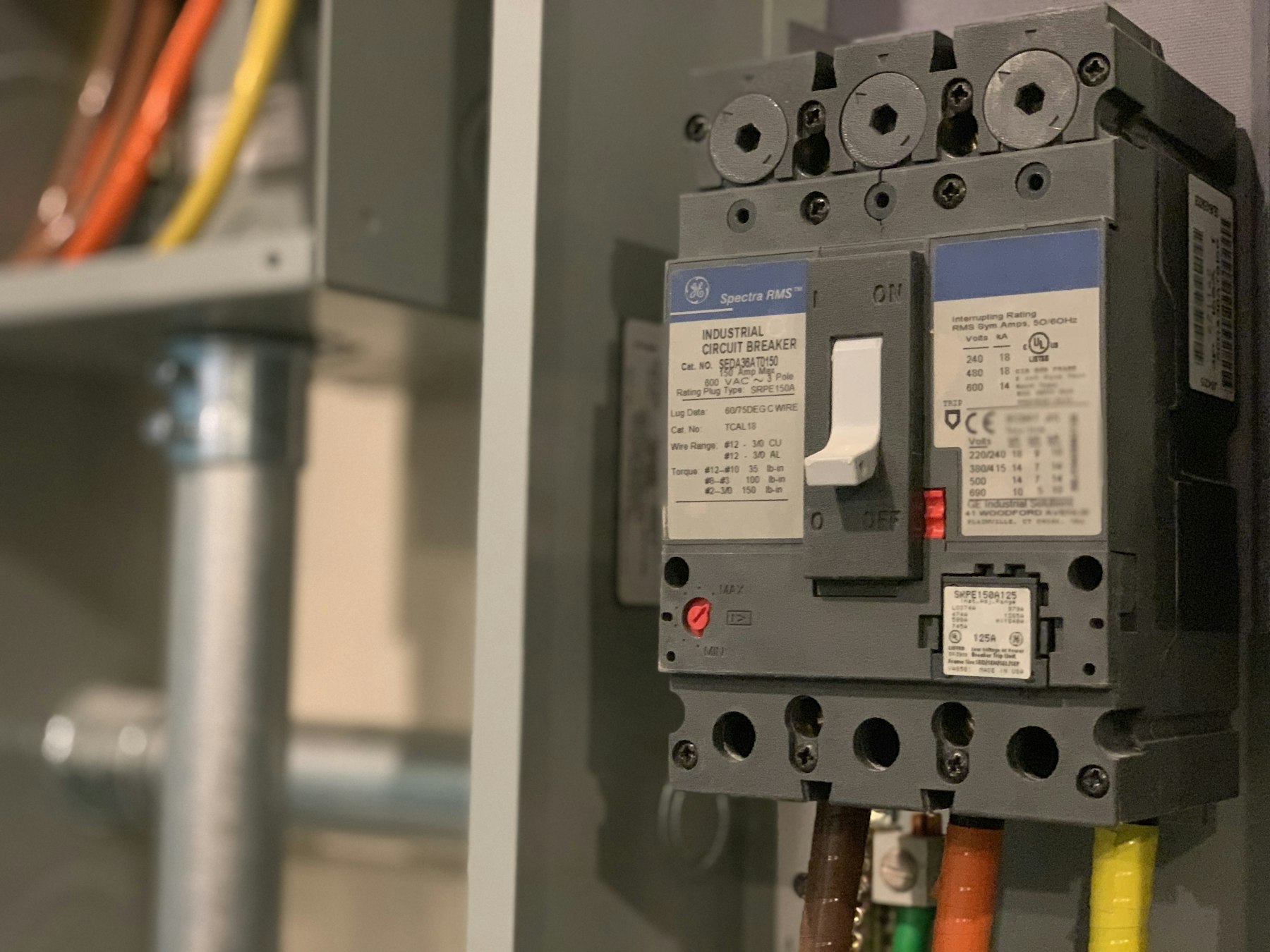
Circuit and breaker verification. We confirm the breaker size, type, and condition against the charger's requirements, and check whether the circuit was derated correctly for continuous load in the first place.
Thermal inspection of terminations. Terminations at the breaker, in the receptacle, and inside the unit are inspected for discoloration, arcing damage, and heat marking, then re-torqued or replaced as needed.
Voltage drop measurement under load. We measure voltage at the charger while it is drawing full current. Excessive drop points to undersized conductors or a long run and explains most slow-charging complaints.
Receptacle condition assessment. Where a 14-50 is in the path, we examine the receptacle for the heat damage that builder-grade units develop under daily EV use, and replace it with an industrial-grade device.
Ground-fault conflict diagnosis. Chargers have internal leakage detection that can conflict with certain upstream protective devices. We identify these conflicts, which are a frequent cause of trips that seem random.
Grounding and bonding checks. Poor grounding produces intermittent faults that are almost impossible to trace from the symptom alone. We verify the grounding path from the charger back to the electrode system.
Unit testing and replacement when warranted. If the hardware genuinely has failed, we test to confirm it, check whether it is still within warranty, and handle the manufacturer replacement process where it applies.
Correction of failed-inspection work. Installations that did not pass city inspection are brought into compliance, and we handle the re-inspection with the City of Yorba Linda.
Retroactive permitting where possible. Unpermitted prior work can often be permitted after the fact once it is corrected, which protects you at resale and restores rebate eligibility.
From Symptom to Fix
A surprising amount can be narrowed down before we arrive.
Describe what it is doing
Tell us when it fails, whether the breaker trips or the unit faults, what the app reports, and whether anything changed recently. A surprising amount can be narrowed down on the phone, which sometimes means we arrive with the part already on the truck.
On-site diagnosis
We test the circuit under real load rather than at rest, because most of these faults only appear when current is flowing. The visit typically takes an hour or two and ends with a plain explanation of the cause and a written price for correcting it.
Correction and verification
Once you approve the repair we do the work, then run a full charging session to confirm the fix holds under the same conditions that caused the failure. Where the original work was unpermitted or failed inspection, we handle the permitting and re-inspection as part of the job.
Why Diagnosis Matters More Than Parts
We test under load, not at rest
A circuit that measures perfectly with nothing connected can fail badly at 40 amps for three hours. Testing at rest is why other visits end with a shrug. We reproduce the conditions that cause the failure.
Replacing the charger is the last option
Swapping the unit is the easiest thing to sell and usually the wrong answer. If the circuit is the problem, a new charger fails the same way, and you have paid for hardware that was never broken.
Corrected work gets permitted properly
When we repair an install that was never permitted, we pursue retroactive permitting where the jurisdiction allows it. That matters when you sell the house and a buyer's inspector asks about the 60-amp circuit in the garage.
Get Your Charger Diagnosed Properly
A charger that trips the breaker every evening is telling you something about the circuit, and ignoring it is not a neutral choice. Get it diagnosed by someone who tests under load. Call and describe the symptom.
Call Yorba Linda EV Charger(714) 465-5686Licensed C-10 · EVITP-certified · Phone answered daily 7am-5pm PST